The Wharncliffe Grind: Precision, Control, and Unexpected Power
Related Posts

01/01/2026
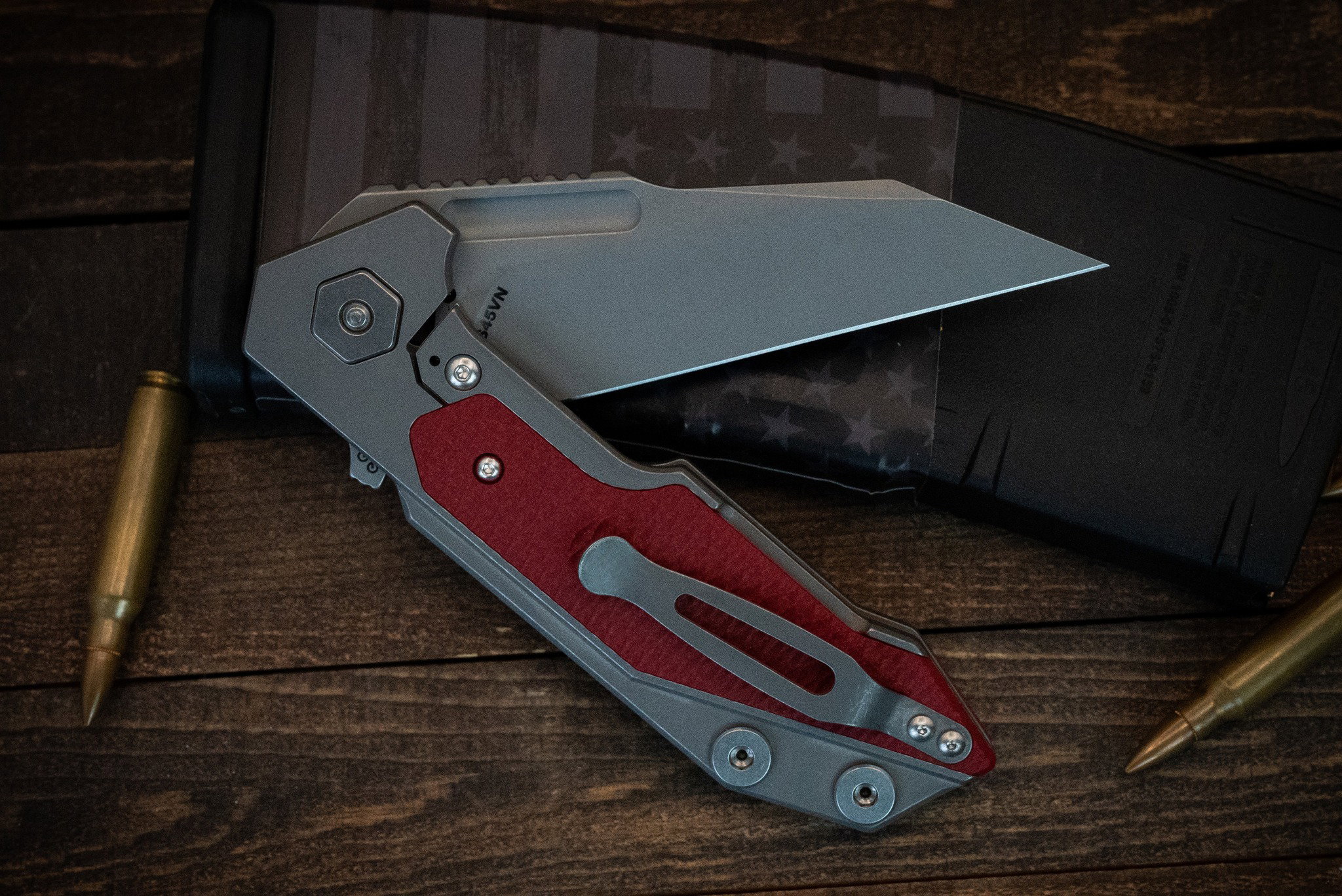
XM-18 3.25”: A New Size in the XM Lineup
The XM-18 3.25” bridges the gap between the 3” and 3.5” XM-18 models. Designed for balanced everyday carry, it delivers full XM durability and performance in a refined 3.25-inch blade length that feels comfortable in both hand and pocket.
10/21/2025
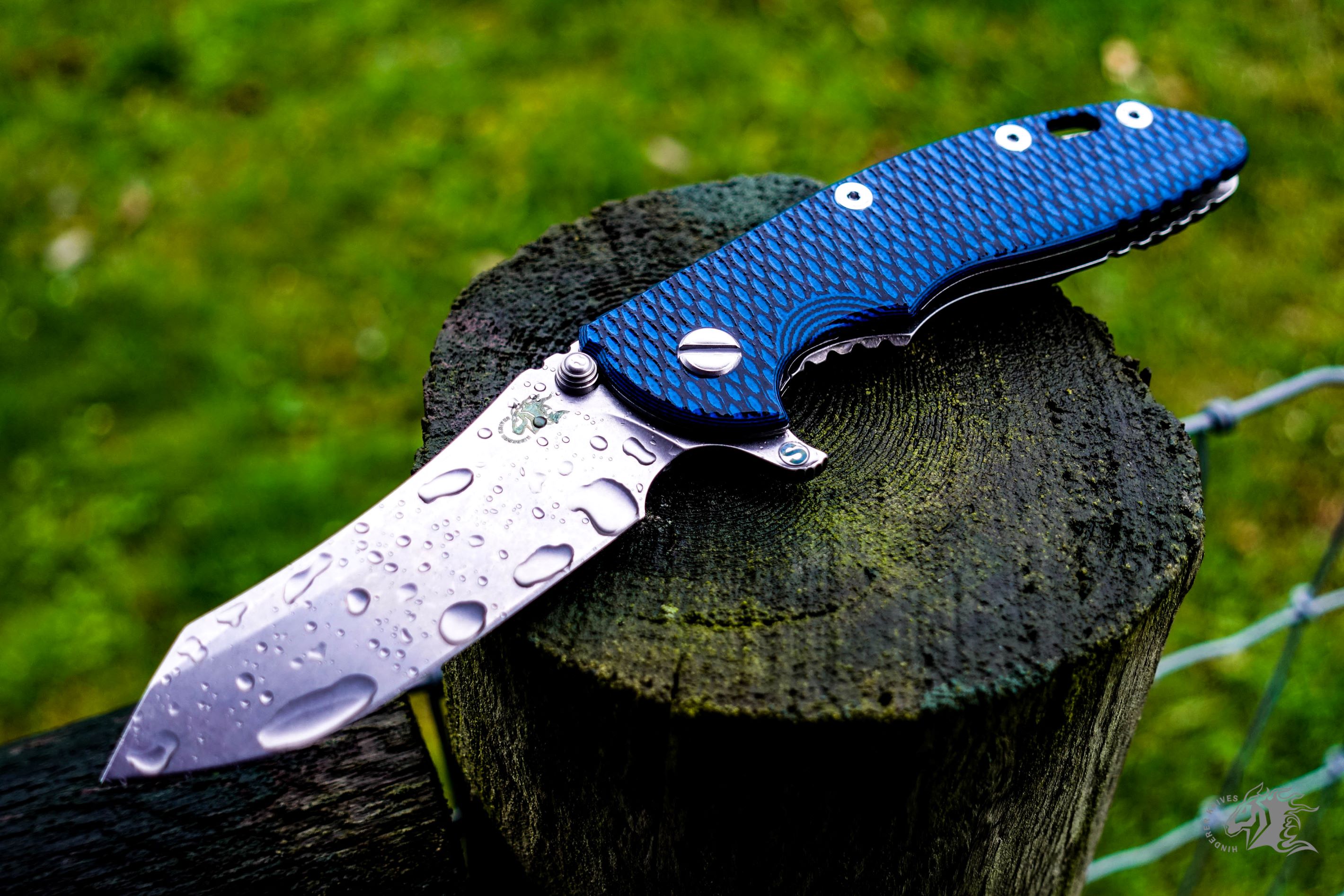
The Skinner Grind: Frontier Heritage Meets Modern EDC Performance
From the American frontier to today’s everyday carry, the Skinner grind embodies purpose-driven design. Originally crafted for hunters and trappers who relied on their knives for survival, the Skinner’s wide, sweeping edge provided clean, controlled cuts for dressing game. In this episode of Getting to the Point, Rick Hinderer dives into how he reimagined that heritage for the modern era—bringing the Skinner’s precision and durability into the XM platform. The result is a grind built for hunters, craftsmen, and EDC users alike—where frontier tradition meets modern performance.
01/27/2026
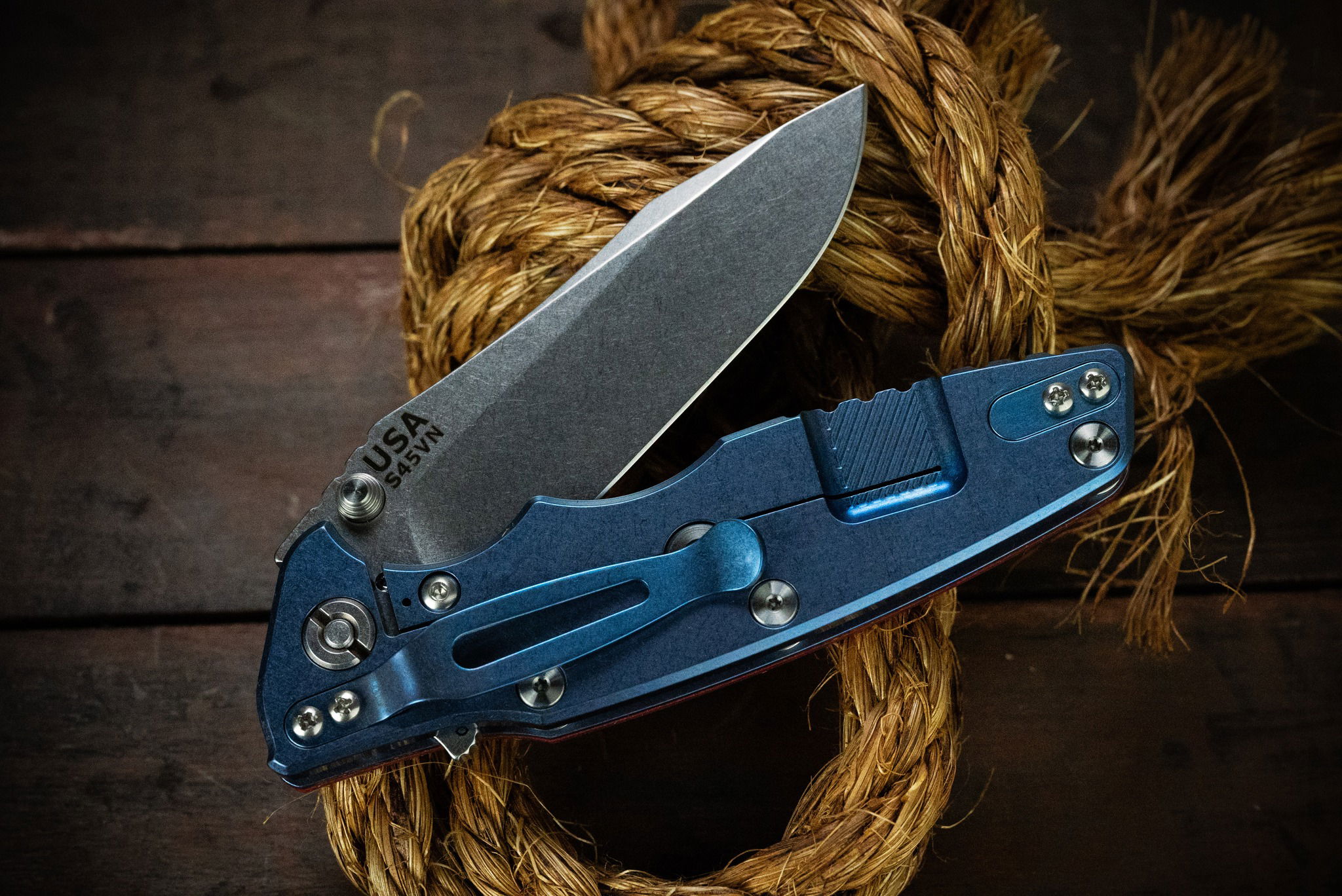
From Spear to Pocket: The Evolution of the Spearpoint Blade
In this episode of Get to the Point with Rick, Rick Hinderer breaks down one of the most common—and most capable—blade shapes in knife history: the Spearpoint. It’s a design so fundamental that countless blade profiles have evolved from it, yet it remains one of the most effective choices for everyday carry and real-world work.
Live the Lifestyle
Subscribe to our lifestyle blog and be the first to receive latest articles, videos, how-to information and customer photos
In this episode of Getting to the Point, Rick Hinderer dives into one of the most distinctive blade profiles in knife history — the Wharncliffe. Known for its straight cutting edge and controlled tip, the Wharncliffe has been used for centuries across industries ranging from maritime work to leathercraft.
Rick explains not only where the blade shape came from, but also how he adapted the classic design into his own modern interpretation for the XM-18 and other Hinderer platforms.
The Origin of the Wharncliffe
Unlike many blade shapes that describe the function of the knife itself, the Wharncliffe is named after the man who introduced it.
The blade traces its roots back to the early 1800s, when Lord Wharncliffe popularized the design. While many blade styles — like the spear point — were named after tools they resembled, the Wharncliffe stands apart by carrying the name of its creator.
What makes the blade instantly recognizable is its straight cutting edge combined with a spine that slopes down toward the tip. This geometry creates a blade that prioritizes control and precision over sweeping cuts.
Over time, the Wharncliffe became widely used in maritime environments, where sailors relied on the blade’s straight edge to cut rope cleanly and safely.
Control Through Geometry
When Rick set out to design his version of the Wharncliffe for the XM-18, he wanted to preserve the blade’s traditional strengths while improving its ergonomics and performance.
One of the biggest changes Rick made was raising the edge line so the tip sits closer to the centerline of the handle.
This seemingly small adjustment has a big impact.
By placing the tip more in line with the user’s grip, the knife offers greater control during detailed cutting tasks. The feel is almost similar to a spear point, but with the cutting precision that only a straight edge can provide.
This design feature eventually carried over to other Hinderer models as well, including the Half Track and Full Track, creating a consistent balance of control across the lineup.
A Blade Built for Precision Work
The Wharncliffe has long been favored for tasks that require controlled, deliberate cutting.
Because the edge is straight, the entire cutting surface engages the material evenly. This makes the blade particularly effective for jobs like:
- Cutting rope or cordage
- Leatherwork and crafting
- Utility cutting and box work
- Detailed slicing tasks
Rick even recalls using one of his Firetac Wharncliffe knives when cutting leather while making knife sheaths — where the straight edge and precise tip allowed for clean, controlled cuts.
In many ways, the Wharncliffe behaves similarly to a box cutter, where the tip leads the cut and provides constant control throughout the motion.
Unexpected Performance
During testing at the Tactical Defense Institute, Rick had a rare opportunity to evaluate how different blade shapes performed in a defensive cutting scenario.
Using a deer carcass wrapped in multiple layers of clothing, several blade styles were tested — including the Spearpoint, Spanto, and the Wharncliffe.
What Rick discovered was surprising.
Despite its simple straight edge design, the Wharncliffe produced the deepest cuts during slashing motions, reaching up to 1.5 to 2 inches into the material.
The reason comes down to geometry.
When used in a slicing motion, the Wharncliffe’s edge tends to grab and continue cutting through the material, whereas belly-shaped blades may slide off during the motion.
While Hinderer knives are built first and foremost as hard-use everyday tools, the test revealed just how effective the Wharncliffe can be in demanding situations.
Strength Where It Matters
Rick’s version of the Wharncliffe maintains the same .165 blade thickness used in many XM-18 models, ensuring the blade retains the durability Hinderer knives are known for.
To refine the profile further, Rick added a top swedge, slimming the blade toward the spine while still maintaining strong material behind the edge.
The result is a blade that combines:
- Excellent control
- Strong tip durability
- Clean slicing performance
All without sacrificing the rugged construction expected from a Hinderer knife.
A Different Look — With Serious Capability
At first glance, the Wharncliffe may look different from more common blade shapes like the spear point or drop point. But once users spend time with the design, many discover just how practical it can be.
Its straight edge and precise tip create a knife that excels at tasks where control matters most.
From rope and leather to everyday cutting jobs, the Wharncliffe proves that sometimes the simplest geometry can deliver the most capable results.
Closing Thoughts
The Wharncliffe blade shape has a long and fascinating history, but like many classic designs, it continues to evolve.
Rick Hinderer’s interpretation preserves the heritage of the blade while refining it for modern everyday carry — balancing precision, strength, and real-world performance.
For anyone willing to try something a little different, the Wharncliffe often proves to be one of the most useful blade shapes in the lineup.
Read full video script ▾
Hello everybody. Rick here and welcome to another episode of Getting to the Point with Rick. Today we're talking about the Wharncliffe blade style — and specifically my rendition of the Wharncliffe as it appears on the XM-18. One of the first knives where I used the Wharncliffe blade was the Firetac, but the XM-18 version is really where this design carried through into many of my other models. The Wharncliffe blade actually dates back to the early 1800s and is named after Lord Wharncliffe. Unlike some blade shapes like the Spearpoint, which were named after the tools they resembled, the Wharncliffe carries the name of the person who helped introduce the design. Traditionally, the Wharncliffe features a straight cutting edge and a spine that slopes down toward the tip. This design has been used for a wide variety of tasks throughout history. Sailors often favored it for maritime work, particularly for cutting rope, because the straight edge provides a very controlled cut. I’ve also used Wharncliffe blades for leatherwork when making sheaths. The straight edge and precise tip provide excellent control — almost like using a box cutter. One thing a Wharncliffe doesn't have compared to other blade shapes like a Spearpoint or Slicer is a belly. But what you gain in return is a tremendous amount of control at the tip. When designing my Wharncliffe for the XM-18, I made a few adjustments. One of the key changes was raising the edge line so the tip aligns closer to the centerline of the handle. When you hold the knife, that tip sits more naturally in line with your grip, which improves control during cutting. That geometry also carried over into other knives like the Half Track and Full Track. At the Tactical Defense Institute, I had the opportunity to test several blade shapes in a cutting scenario. Using a deer carcass wrapped in multiple layers of clothing, we compared slashing performance between blade styles like the Spearpoint, Spanto, and the Wharncliffe. Surprisingly, the Wharncliffe produced the deepest cuts during slashing motions. The blade would grab and continue slicing through the material instead of sliding off the surface like some belly-shaped blades. Of course, our knives are designed primarily as everyday tools, but it was an interesting demonstration of how effective the geometry can be. The XM-18 Wharncliffe maintains the standard .165 blade thickness and includes a top swedge that slims the profile while still maintaining plenty of strength out toward the edge. The result is a blade that offers strong tip durability, excellent control, and clean slicing performance. While the Wharncliffe might look a little different than more traditional knife shapes, once people start using one they quickly realize just how capable it really is. If you haven’t tried a Wharncliffe yet, I encourage you to pick one up and give it a try. Thanks for watching, and I’ll see you in the next episode.
Wharncliffe FAQ
What is a Wharncliffe blade?
A Wharncliffe blade is defined by its straight cutting edge and spine that slopes downward toward the tip. This design creates a strong, highly controllable point that excels at precision cutting and detailed work.
Where did the Wharncliffe blade get its name?
The blade style is named after Lord Wharncliffe, who helped popularize the design in the early 1800s. Unlike many blade shapes that describe their function or appearance, the Wharncliffe carries the name of the person associated with its development.
Why is the Wharncliffe blade good for precision work?
Because the cutting edge is straight and the tip sits close to the cutting line, the Wharncliffe offers excellent control during cutting. This makes it especially effective for tasks like rope cutting, leatherwork, utility work, and other detailed slicing tasks.
What industries traditionally used Wharncliffe blades?
Wharncliffe blades have historically been used in maritime environments, crafting trades, and utility work. Sailors relied on them for cutting rope, while craftsmen valued the straight edge and precise tip for controlled cutting tasks.
How does Rick Hinderer’s Wharncliffe differ from traditional designs?
Rick Hinderer refined the classic design by adjusting the blade geometry so the tip aligns closer to the centerline of the handle. This improves control and balance during cutting. His version also maintains strong blade thickness and includes a top swedge to refine the profile while keeping the tip durable.
Is the Wharncliffe blade good for everyday carry?
Yes. While originally used for specialized tasks, the Wharncliffe’s straight edge and precise tip make it extremely effective for everyday carry. It performs well for opening boxes, cutting cordage, utility work, and other daily cutting tasks where control matters most.