Shed Hunting Tips: Where to Find Deer Sheds This Season
Related Posts
09/02/2026
From Frog Skin to Duck Camo: The History Behind Our Newest Finish
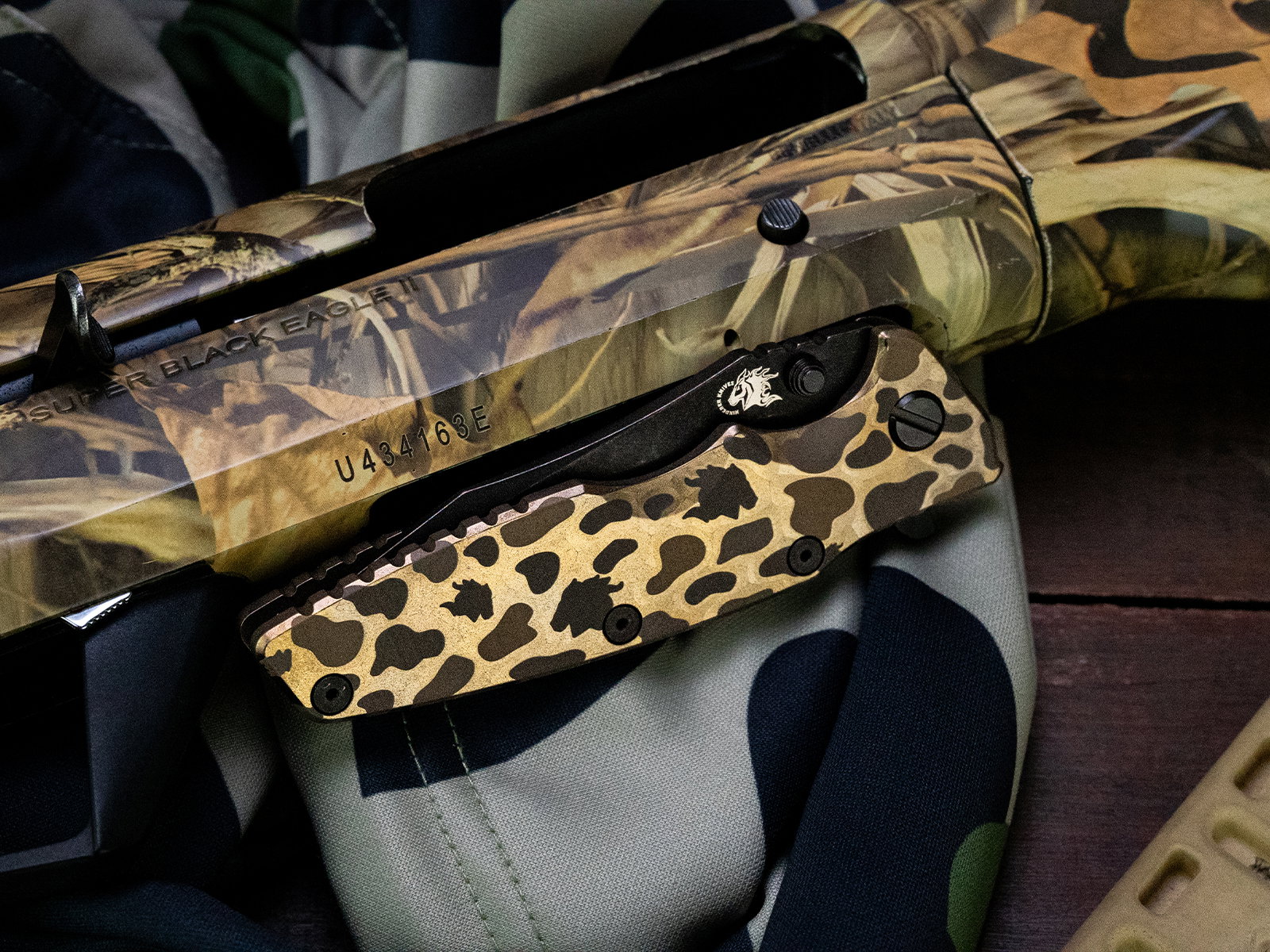
What many know today as Duck Camo has a history that stretches back to World War II. Originally known as Frog Skin, the camouflage went from the South Pacific to the duck blind, becoming a pattern recognized by generations of hunters. Discover the history behind Frog Skin Camo and how it inspired the newest finish from Rick Hinderer Knives.
07/16/2024
Deer Movement in the Rain
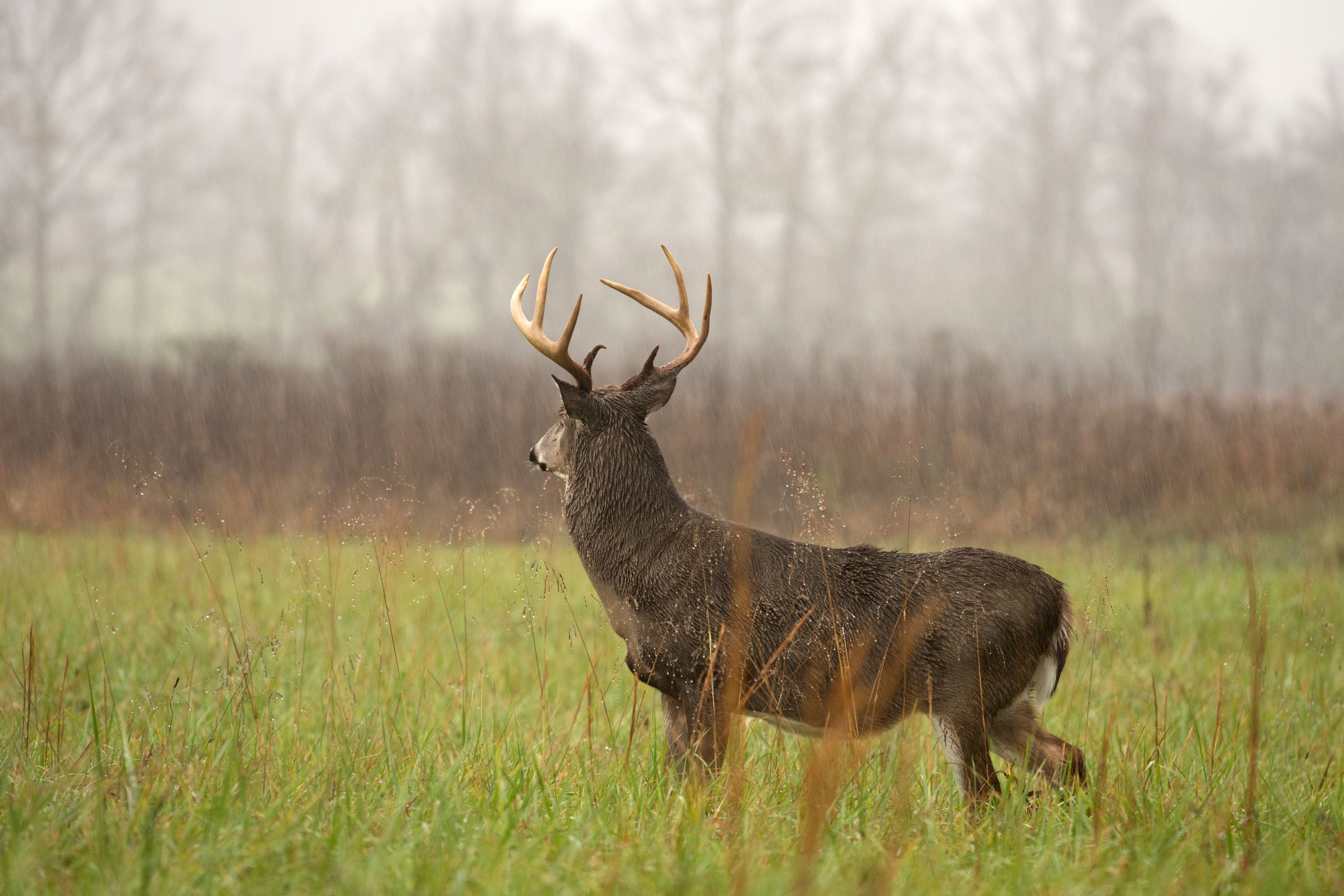
Deer do move in the rain but they do not move as well as other times. Deer do not move their best during a low-pressure front. There is inactivity...
07/16/2024
Deer Movement in the wind
I believe there are basically two broad elements or reasons that cause deer to move. These two reasons are..
Live the Lifestyle
Subscribe to our lifestyle blog and be the first to receive latest articles, videos, how-to information and customer photos
Every year, as winter starts to break and the woods come back to life, shed hunting season kicks off.
For those who put in the miles, it’s more than just finding antlers—it’s about understanding deer movement, reading the land, and being out there when most people are still waiting for fall.
If you want to be successful, it comes down to knowing where to find deer sheds and putting in the work to get there. There’s no substitute for time on the ground, and the more you walk, the more you start to see patterns most people miss.
When Do Deer Shed Their Antlers?
One of the most common questions in shed hunting is timing. Getting this wrong can mean long days with nothing to show for it.
Bucks typically drop their antlers between late January and early March, depending on weather, food availability, and overall stress during winter.
As daylight increases and testosterone levels drop, antlers naturally release. Harsh winters, limited food, and pressure can cause bucks to shed earlier, while milder conditions may push things later into the season.
If you’re serious about shed hunting, this window is everything. Too early and you’re walking over deer still carrying both sides. Too late, and you’re competing with squirrels, mice, and time itself.
Where to Find Deer Sheds
Knowing where to find deer sheds is what separates guys who get lucky from guys who consistently find them.
Late-season deer movement is predictable only if you’re thinking in terms of survival, not hunting season patterns.
Focus on high-percentage areas:
-
Food sources – cut cornfields, soybean fields, winter wheat where deer are feeding daily
-
Bedding areas – thick cover close to food where deer conserve energy
-
South-facing slopes – warmer areas that hold more deer during cold stretches
-
Funnels and travel corridors – terrain features that force movement between bedding and feeding
Don’t just walk through these areas, make sure to slow down and really look. Edges, transitions, and slight elevation changes often hold sheds that get overlooked.
If you find heavy sign such as tracks, droppings, or beds you’re in the right place.
Shed Hunting Tips for Success
There’s no shortcut. Shed hunting rewards effort and attention to detail.
A few shed hunting tips that consistently make a difference:
-
Slow down – most sheds are missed because people move too fast
-
Grid your search – break areas into sections and cover them completely
-
Use overcast days – softer lighting reduces glare and helps antlers stand out against darker backgrounds
-
Glass ahead – scan before stepping, especially in open areas where you can save your legs and use your binoculars to cover large areas
-
Revisit spots – bucks rarely drop both antlers at the same time
One of the biggest mistakes is treating it like a hike instead of a search. The more intentional you are with your movement, the more you’ll start picking up on shapes, colors, and patterns that didn’t stand out before.
And when it finally clicks—you’ll start finding more.
The Reality of Shed Hunting
Shed hunting isn’t easy and that’s part of what makes it worth doing.
You’ll walk miles without seeing anything. You’ll second-guess your spots. You’ll wonder if you’re too early, too late, or just in the wrong place entirely.
Then, out of nowhere, you’ll catch something a curve, a tine, a color that doesn’t belong.
It’s not luck. It’s the result of time, effort, and paying attention when most people wouldn’t.
Gear That Pulls Its Weight
When you’re covering miles and pushing through brush, what you carry matters.
You’re dealing with thick cover, deadfall, and constantly changing terrain. Having the right tool on you isn’t about convenience, it’s about being prepared for whatever the day throws at you.
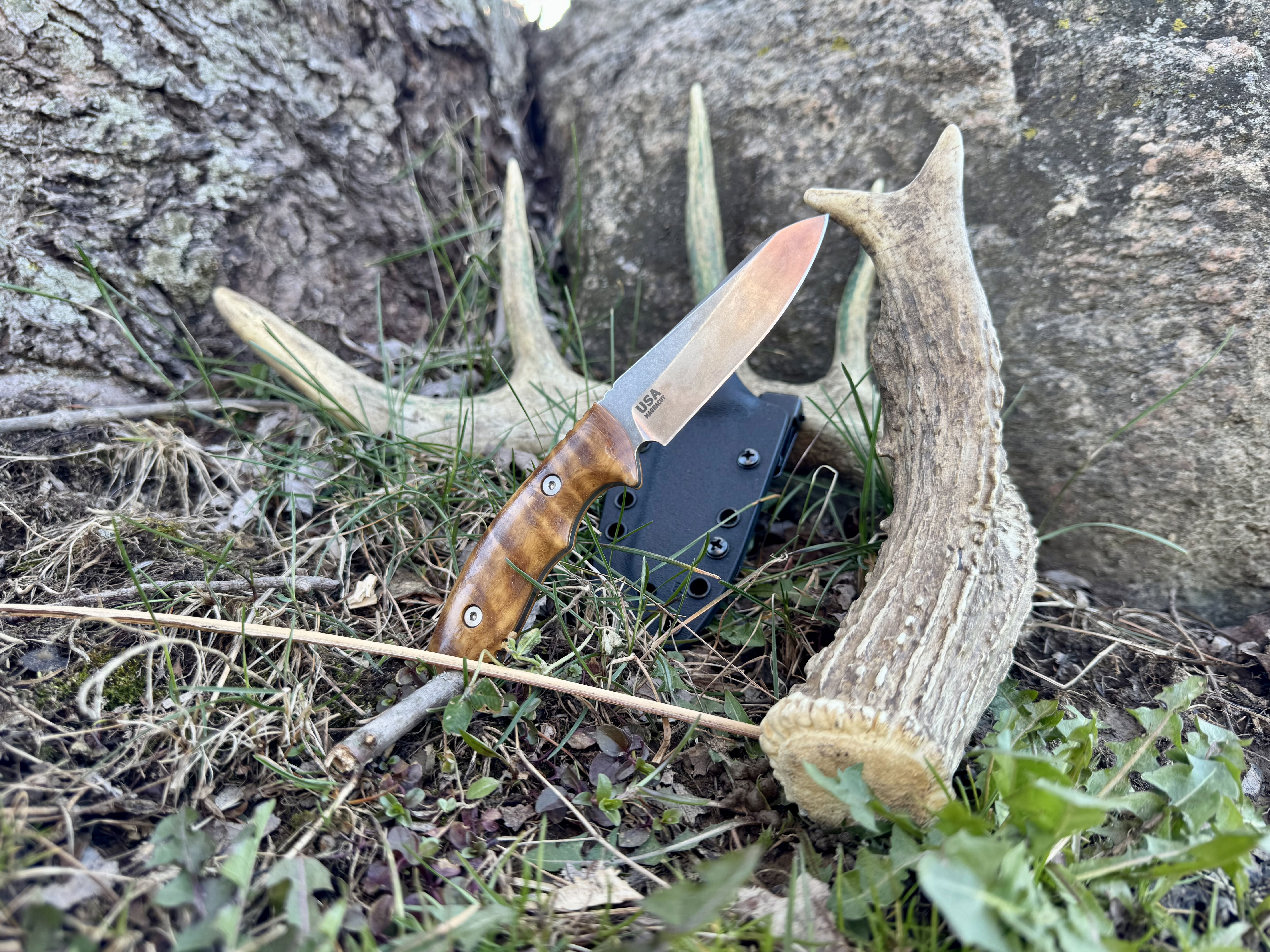
A fixed blade is one of those tools that just makes sense out here.
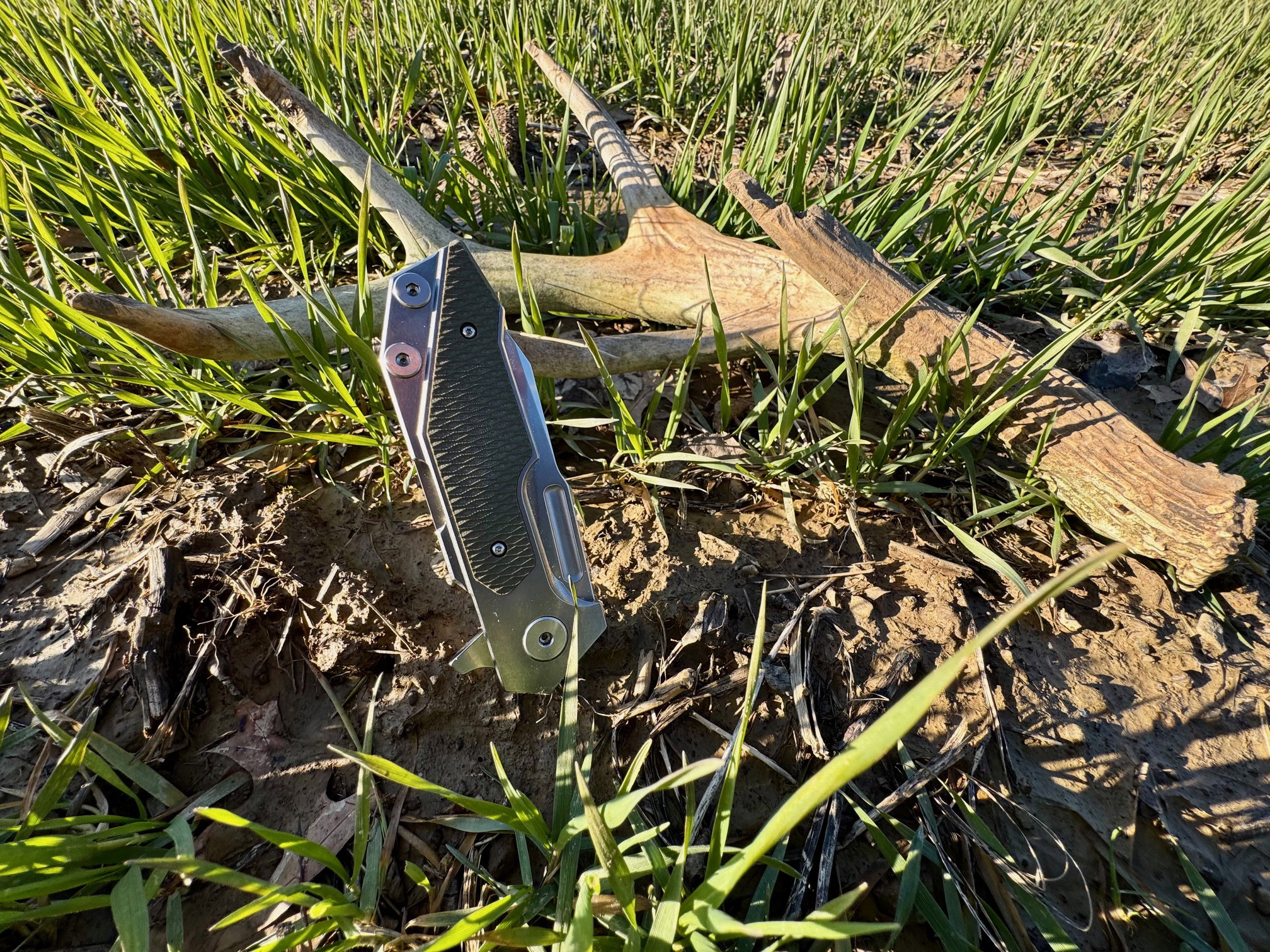
The Flashpoint fits that role naturally. It’s compact, easy to carry, and built for real use—not just sitting in your pack. Whether you’re clearing a path, striking a ferro rod for a creekside lunch, or just need something reliable on hand, it’s there when you need it.
Flashpoint Fixed Blade Knives | Small Fixed Blade Knives | Rick Hinderer
More Than Just Antlers
At the end of the day, shed hunting isn’t really about the antlers.
It’s about learning your ground in a way you can’t during the season. It’s about seeing how deer move when survival is the priority. It’s about understanding patterns before next fall ever starts.
Take note of bedding habits, travel routes, and pressure points that carry over into hunting season.
That knowledge is what makes the difference later on.
Shed hunting just happens to be how you earn it.
Shed Hunting FAQ
When do deer shed their antlers?
Most bucks shed their antlers between late January and early March. Timing depends on weather conditions, food availability, and overall stress during winter. Harsh winters can cause earlier shedding, while milder conditions may delay it.
Where is the best place to find deer sheds?
The best places to find deer sheds are near late-season food sources, bedding areas, south-facing slopes, and travel corridors between feeding and bedding zones. Focus on areas with heavy deer sign like tracks, droppings, and beds.
What are the best shed hunting tips for beginners?
Start by focusing on food sources and bedding areas, move slowly, and scan carefully before taking each step. Grid your search areas and revisit locations, as bucks often drop one antler at a time.
What time of day is best for shed hunting?
Midday is often ideal for shed hunting because the sun creates shadows that make antlers stand out against the ground. Good lighting can make a big difference in spotting sheds.
How long do deer sheds last in the woods?
Sheds can last for months or even years, but rodents frequently chew them for calcium. Finding them earlier in the season increases your chances of locating intact antlers.
Do deer drop both antlers at the same time?
No, bucks typically drop one antler first and the second days or even weeks later. That’s why revisiting high-traffic areas can often lead to finding the matching side.